What is Digital marketing?
All marketing activities that take place online are referred to as digital marketing, often known as online marketing. To engage with present and potential customers, businesses use digital channels including search engines, social media, email, and other websites. This also involves messaging via text or other types of multimedia.
Although there are a few subtle differences, an experienced inbound marketer may claim that inbound marketing and digital marketing are essentially the same thing. I've also learnt a lot from my talks with marketers and business owners in the United States, the United Kingdom, Asia, Australia, and New Zealand about how those minor variations are seen in other countries.

What does a company mean by "digital marketing"?
Digital marketing is essential for your brand exposure and business at this point. Every
other brand seems to have a website, and those that don't at least have a
social media presence or a digital advertising plan. Consumers now anticipate
and rely on digital content and marketing as a way to learn about brands.
Because there are so many options with digital marketing, you may get inventiveand test out different marketing strategies on a tight budget.
In general,
using a variety of digital strategies and channels to engage with clientsonline, where they spend the majority of their time, is what is meant by the
term "digital marketing." The most effective digital marketers have a
clear understanding of how each campaign supports their main objectives.
Marketers can support a broader campaign through the available free and paid
channels, based on the objectives of their marketing plan.
What makes digital marketing so crucial?
Digitalmarketing enables you to target the customers most likely to purchase your
goods or services and reach a wider audience than you could with conventionaltechniques. Additionally, it allows you to gauge progress on a daily basis and
make adjustments as necessary, and it is frequently more affordable than
traditional advertising.
A few of the main advantages of digitalmarketing are:
1.
Only the prospects who are most
likely to buy your product or service should receive your attention.
2.
It is more affordable than
outbound marketing strategies.
3.
By levelling the playing field
within your sector, digital marketing enables you to compete with more
established firms.
4.
Digital advertising may be
measured.
5.
A digital marketing plan may be
modified and adjusted more easily.
6.
Your conversion rate and the
calibre of your leads can both be increased through digital marketing.
7. With digital marketing, you can involve audiences at every level.
Digital Marketing Types
- Search Engine Optimization (SEO)
- Content Marketing
- Social Media Marketing
- Pay Per Click (PPC)
- Affiliate Marketing
- Native Advertising
- Marketing Automation
- Email Marketing
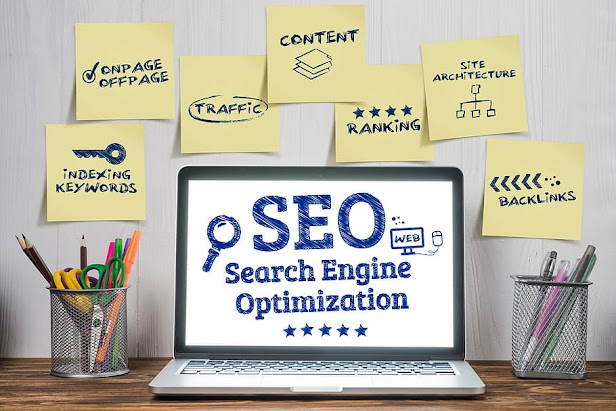
1. Search engine Optimization (SEO):
You can increase
the quantity of organic (or free) traffic to your website by optimising it to
"rank" higher in search engine results pages. Websites, blogs, and
infographics are some of the mediums that SEO benefits.
To drive targeted traffic to your website, there are several different approaches you may take with SEO. These consist of:
On Page SEO:
This kind of SEO concentrates on
every piece of content that is "on page" when viewing a website.
You may provide readers with answers and improve your position on search engineresults pages (SERPs) by analysing keywords for their search volume and intent
(or meaning).
Off page SEO:
This kind of
SEO concentrates on all of the "off page" work that goes on to optimizeyour website. What actions taken off of my own website might have an impact on
my ranking? You may inquire. Backlinks, usually referred to as inbound links,
are the solution. How well you rank for the keywords you care about depends on
the number of publishers that link to you and the relative
"authority" of those publishers. You can get the backlinks required
to elevate your website on the appropriate SERPs by connecting with other
publications, posting guest posts on their blogs (with a link back to your
website), and attracting outside interest.
TechnicalSEO:
This kind of
SEO concentrates on the back end of your website and the coding of your pages.
Technical SEO techniques like image compression, structured data, and CSS file
optimisation can all speed up the loading of your website, which is a crucialranking factor in the eyes of search engines like Google.
2. ContentMarketing:
This phrase refers to the production and
marketing of content assets with the aim of increasing brand recognition,
traffic, leads, and customers. Want to understand and use content marketing in
your company? 
BlogPosts:
Writing and
posting content on a company blog enables you to show off your subject matterexpertise while also driving organic search traffic to your website. As a
result, you have more chances to turn website visitors into leads for your
sales team.
Ebooks andwhitepapers:
Ebooks,
whitepapers, and other long-form information of a similar nature aid in
educating website users further. Additionally, it enables you to trade content
for a reader's contact details, creating leads for your business and advancing
potential customers through the buying process.
Infographics:
Readers occasionally prefer that
you demonstrate rather than simply state. Infographics are a type of visual
content that aid in the understanding of a subject by website users.
Audio orvisual content:
Radio and television are common platforms for digital marketing. Your potentialaudience can be significantly increased by producing content that can be shared
online as a video or heard by listeners on the radio.
3. SocialMedia Marketing:
This method advertises your company's name and content on social media platforms to build brand recognition, attractcustomers, and enhance lead generation for your company.
If you're new to social media, you may
integrate networks like Facebook and LinkedIn in one location by using
solutions like Deseinstien. You can simply arrange material for numerous channels
at once in this fashion, and you can also check metrics from the platform. You
may integrate your social media inboxes into Deseinstien in addition to linking
your social media accounts for posting reasons so that you can access all of
your direct messages in one spot. The platforms
available to you for social media marketing include
The platforms
available to you for social media marketing include
Facebook
Twitter
LinkedIn
Instagram
Snapchat
Pinterest
These
social media platforms will be used by many marketers to develop a viralcampaign. A viral marketing tactic involves joining forces with a well-known
content producer or joining a trend that appeals to a large audience. The goal
is to produce something worth sharing in the anticipation that it will spread
widely on social media.
4. PayPer Click (PPC):
PPC pays a publisher each time your ad is
clicked, which increases traffic to your website. Google Ads, one of the most
popular PPC models, enables you to pay for prominent positions on Google's
search engine results pages for a cost "per click" of the links you
insert. You can also utilise PPC through the following channels:
Paid advertisements on Facebook:
Here, users can shell out money to create a slideshow, video, or image
post that Facebook will publish to the news feeds of individuals who fit your
company's target market.
Twitter Ads campaigns:
With
these, users can pay to publish a number of posts or profile badges to the newsfeeds of a certain audience, all of which are intended to help your business
achieve a particular objective. This objective could be more website traffic,
more Twitter followers, active tweets, or even app downloads.
Sponsored Messages on LinkedIn:
lets customers pay to send messages to particular LinkedIn users based
on their profession and background.
5. AffiliateMarketing:
You are paid a commission for promoting someone
else's goods or services on your website under this type of performance-based
advertising. Channels for affiliate marketing include:
-
hosting
YouTube Partner Program video advertisements.
-
distributingaffiliate links on social media.
This belongs to the relatively recent influencer marketing trend. Influencer marketing can be a very successful strategy for affiliate marketing. Your digitalcampaign can advance if you find the correct content producers.

6. Native advertising:
Native advertising is the term for commercialsthat are mostly driven by content and displayed on a platform next to unpaidcontent. Sponsored content on BuzzFeed is an excellent example, although
Facebook and Instagram advertising, for instance, are frequently cited as
examples of "native" social media advertising.
7. MarketingAutomation:
The software that automates your fundamentalmarketing tasks is referred to as marketing automation. Numerous marketing departments can automate routine tasks that they would otherwise complete by
hand, including:
Emailnewsletters:
Email automation doesn't just allow you to automatically send emails to your
subscribers. It can also assist you shrink and enlarge your contact list as
needed so your newsletters are only going to the people who wish to see them in
their inboxes.
Socialmedia post scheduling:
Regular posting is essential if you want to increase the visibility of
your company on social media. This results in a somewhat chaotic process for
manual posting. Social media scheduling solutions push your material to your
social media channels for you, so you can spend more time focused on contentstrategy.
Lead-nurturingworkflows:
Generatingleads, and converting those leads into clients, may be a long process. You may
automate that process by sending leads specific emails and information once
they fulfil certain criteria, such as when they download and open an ebook.
Campaign tracking and reporting:
Marketing campaigns might comprise a tonne of different people, emails,
content, webpages, phone calls, and more. Marketing automation may help you
sort everything you work on by the campaign it's serving and then track the
performance of that campaign based on the progress all of these components makeover time.
8. Email Marketing:
Companies utilize email marketing as a technique of communicating with their audiences. Email is typically used to promote information, promotions and events, as well as to push consumers towards the business's website. The types of emails you might send in an email marketing campaign include:
-
newslettersfor subscribers to blogs.
-
emails
sent to website visitors who downloaded something as a follow-up.
-
Customer
welcome emails.
-
Holiday promotions to loyalty program members.
-
Tips
or similar series emails for customer nurturing.